Skip Hire in Ealing for straightforward waste collection and disposal
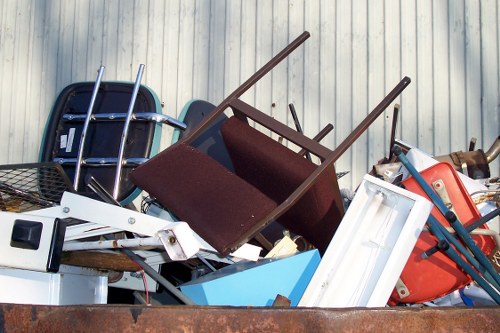
Skip hire in Ealing should feel organised, practical and easy to plan around. Our service is built around the familiar needs of home improvements, clear-outs and building work, with skips suited to a range of waste types and site setups. If you need a simple way to keep rubbish contained while work moves forward, a correctly sized skip can be a sensible choice. The key is matching the container to the material, access and time you need it on site.
We help customers choose from skip hire, domestic skip hire and builders skip hire depending on the job. That keeps the process focused on the kind of waste you have, whether it is household clutter, renovation debris or heavier building material. We also make space for clearer planning around drop-off and collection, so the skip works with the schedule rather than slowing the job down.
For many customers, the most useful next step is to compare the waste volume, the access available and the types of material that need clearing. Simple, well-matched hire reduces the risk of overfilling, awkward placement or unnecessary swaps. If you are arranging work in stages, a skip can help keep different materials separate and make the site easier to manage. When you are ready, request a quotation.
Choosing the right skip for the job
Different projects create different waste streams, so the best hire option is not always the biggest one. A smaller skip can suit lighter domestic waste and short-term clearances, while a larger container may be better for ongoing building work or a fuller house project. The most practical choice is usually the one that balances capacity, access and the type of rubbish being removed, rather than simply aiming for the largest available size.
If you are weighing up alternatives, our skip sizes and prices page is a useful starting point for understanding what is available, while what can go in a skip explains the usual waste categories more clearly. Those pages can help you identify whether the load is mostly inert material, mixed household waste or something that needs a different arrangement. Clearer planning at this stage can save time later.
Two simple checks often make the decision easier: first, how much waste you expect by the time the work ends; second, whether the site can comfortably take the chosen container. A skip should leave enough room for safe loading and sensible access. If the job is likely to produce bulky items, ask yourself whether they will fit efficiently or whether they may be better handled as a separate collection. Planning ahead matters more than guessing on the day.
Household clearances and domestic projects

Domestic work often benefits from skip hire because it gives you one designated place for waste as rooms are being emptied, decorated or refurbished. It can be useful for loft clear-outs, garage clearance, kitchen updates and general household decluttering where the waste is too much for ordinary bins. A skip also avoids repeated trips to a disposal site, which can be especially helpful when the work is being done over several days.
For home projects with a mixed load, house clearance can support larger domestic removals, while garage and loft clearance suits storage spaces that have built up varied items over time. If the work is limited to outside materials, garden waste removal may be a better fit, particularly where branches, soil and green waste are the main concern. Matching the service to the waste keeps disposal more efficient.
Before arranging a domestic skip, it helps to think through a few practical points: the access route to the property, whether the waste will be bagged or loose, and whether the items include anything bulky or awkwardly shaped. Clear access and a sensible loading plan make the job easier for everyone involved. If you are unsure which option suits the project, ask for guidance and compare the likely waste volume first.
Building and renovation waste
Renovation work generates waste that is often heavier and more varied than household clutter. Tiles, timber, plasterboard, broken fixtures and mixed construction debris all need a container that can cope with the load safely and in the right quantity. Skip hire is especially useful when a project runs over several days, because it keeps the waste in one place and makes the working area easier to manage. That matters on active sites where access and tidiness both affect progress.
For trade and refurbishment work, construction waste disposal and construction waste clearance cover the broader removal side of site work, while builders waste removal focuses on the material created by smaller or medium-sized jobs. If you need a dedicated container for ongoing work, builders skip hire is often the more direct route. The right setup depends on how quickly waste builds up and how the site is organised.
Renovation waste should be sorted with care, particularly where mixed materials may need separating later. Some loads are straightforward, while others contain items that must be handled differently because of their composition or condition. A sensible approach is to keep reusable items, scrap and general rubble apart wherever possible. Good sorting at source makes loading easier and helps the waste move through the disposal process more smoothly.
Commercial and site-based skip hire
Commercial premises, maintenance teams and active work sites often need a waste solution that can keep pace with regular material changes. Skip hire can support strip-outs, refurbishment, cleaning projects and general site housekeeping where rubbish accumulates as tasks progress. For businesses, the main advantage is having a fixed collection point that keeps waste contained, rather than relying on ad hoc removals that interrupt the schedule. That can be useful across one-off works or recurring tasks.
Where the job is tied to a premises or managed site, commercial skip hire offers a more business-focused option, while site clearance is better suited to broader tidying and removal work. If the project involves dismantling and removing heavier items, demolition waste removal can be the more relevant service. Each option serves a slightly different purpose, so the best result usually comes from matching the service to the stage of the work.
Commercial customers often need to think about access, placement and the likely spread of waste across the site. A skip should not obstruct essential movement or create avoidable handling problems. It should also suit the waste mix, especially if the project produces both light and heavy material. Well-planned placement and a realistic capacity choice can help the work continue without unnecessary disruption.
Access, permits and restricted spaces
Not every property offers easy road access or enough space for a standard container, so the hire method sometimes needs to adapt. A wait-and-load arrangement can suit places where keeping a skip on the road or outside for longer than necessary is not ideal. In other cases, a permit may be needed if the chosen location falls on public land or within controlled parking arrangements. The practical answer depends on the site, the size of the skip and where it will sit.
Useful supporting pages include wait and load skip hire for more constrained setups and skip permits for the permission side of roadside placement. If the waste has to be cleared without long on-street placement, these options can make the project easier to organise. For some jobs, this is the difference between a straightforward hire and one that would otherwise create avoidable delays.
Access planning is best done early, especially where narrow drives, low branches, shared entrances or resident parking are involved. The container should be placed where loading is practical and safe, with enough room for the materials you expect to handle. If you need to compare options before deciding, it is worth checking whether the waste can be kept on private land, whether a permit is relevant, and whether a faster removal style would be more appropriate. Good access planning keeps the job moving.
Specialist skip options for different waste types

Some projects call for a more specific container style or a tighter approach to what is being loaded. An enclosed or lockable skip can be useful where security matters, while certain waste streams may require a more cautious arrangement because of their condition or composition. Choosing a specialist option helps make sure the waste is kept safely contained and handled in the right way from the start, rather than forcing a general hire choice to fit an unsuitable load.
Where extra containment is important, enclosed and lockable skip hire is a practical page to review. For items that cannot go in a standard mixed load, hazardous waste disposal explains the kind of material that needs a different route. Larger single-item removals may also be better handled separately, such as through fridge and appliance removal or mattress and sofa disposal, depending on the item and the overall load.
The main point is to avoid forcing every waste problem into the same container. Mixed domestic waste, construction rubble, specialist items and restricted materials all behave differently when loaded and collected. A safer, clearer choice usually starts with identifying the dominant waste type and then checking whether the container or removal method is suitable. That approach keeps the job more orderly and helps avoid last-minute changes.
About Ealing
Ealing is a large district in west London, historically known as the “Queen of the Suburbs†because of its Victorian and Edwardian residential character. The area developed rapidly with the expansion of rail and road links in the nineteenth and early twentieth centuries, and much of its built environment still reflects that suburban growth. Ealing Broadway has long been a major focus for transport and shopping, while the surrounding streets include a mix of terraces, villas, mansion blocks and later housing that shows how the district evolved over time. The area sits within the London Borough of Ealing, which also includes several distinct centres and neighbourhoods beyond the main town core. Central Ealing contains a number of landmarks that give the district a clear sense of place. Pitzhanger Manor, designed by John Soane, is one of the best-known historic buildings in the borough and offers an important link to early nineteenth-century architecture. Nearby, Walpole Park provides open green space close to the town centre, while Ealing Studios is widely recognised as part of the area’s cultural identity and film history. The local street pattern combines commercial routes, residential roads and civic spaces, with the Broadway acting as a busy focal point and the quieter avenues spreading outward from it. Churches, schools and parkland contribute to the varied character of the district, and the combination of transport connections, heritage buildings and residential neighbourhoods gives Ealing a layered urban feel that is easy to recognise but hard to reduce to a single type of place.
Recycling, sorting and practical waste management
Skip hire is not only about collecting rubbish; it also benefits from sensible sorting and an awareness of what can be recovered or separated later. Different materials move through disposal routes in different ways, so it is useful to think about the waste in broad categories before it is loaded. Timber, metal, soil, general mixed waste and reusable items can all behave differently in practice, which is why a clear approach at the start helps keep the load manageable. The goal is a tidy, practical disposal process rather than just filling space.
Our waste recycling services page gives more detail on recovery-focused handling, while recycling and sustainability covers the broader responsible-disposal side. If you are planning a project where the amount of waste is uncertain, these pages can help you think about how the load might be reduced or separated. That can be especially useful when the material comes from mixed domestic or renovation work and includes items that are better dealt with in stages.
One practical habit is to set aside obviously reusable items before loading begins, then group the remaining waste in a way that makes stacking easier and safer. Orderly loading can improve capacity and reduce the chance of awkward gaps or unstable piles. If you are comparing services, this is also where you can decide whether a single skip, a specialist collection or a different disposal route makes the most sense for the waste on hand.
Preparing a quotation and arranging the hire

To prepare a quotation, it helps to think through the main waste type, the approximate amount, where the skip may be placed and how quickly you expect the job to progress. Those details make it easier to suggest a suitable option without overcomplicating the process. If the waste includes mixed items, bulky furniture or heavier construction material, mention that early so the hire can be matched more accurately to the load.
You can also review pricing and quotes if you want a clearer idea of the factors that usually shape the overall cost, or use book online when you are ready to move ahead. If the project is time-sensitive, same day skip hire may be relevant, although availability depends on the arrangement rather than being guaranteed for every job. Give the essentials first, then ask for the option that best fits the site and the waste.
For a smooth start, keep the enquiry focused on the practical details that matter: the location, the material, the expected amount and any access constraints. That is usually enough to steer the choice toward a suitable container or collection method. If you are ready to go ahead, request a quotation today and choose the arrangement that suits your project best.