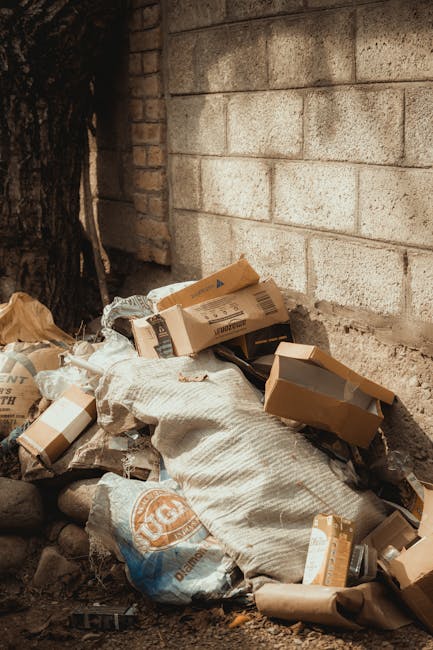
Household rubbish collection Pitshanger Lane Ealing: a practical local guide for busy homes
If you are trying to sort out household rubbish collection Pitshanger Lane Ealing, you are probably dealing with the usual mix of bags, bulky items, awkward corners, and a calendar that is already too full. Maybe the loft has finally given up its secrets. Maybe the shed is looking like a small branch of a second-hand shop. Or maybe you just need the rubbish gone, properly, without the faff.
This guide breaks down how household rubbish collection works in a local Ealing context, what to expect, what to avoid, and how to choose the most sensible option for your home. We will keep it practical and straight. No fluff. Just the kind of detail that helps you make a decent decision first time.
Contents
- Why household rubbish collection in Pitshanger Lane matters
- How household rubbish collection works
- Key benefits and practical advantages
- Who this is for and when it makes sense
- Step-by-step guidance
- Expert tips for better results
- Common mistakes to avoid
- Tools, resources and recommendations
- Law, compliance, standards and best practice
- Options, methods and comparison table
- Case study or real-world example
- Practical checklist
- Conclusion
- Frequently asked questions
Why Household rubbish collection Pitshanger Lane Ealing Matters
Pitshanger Lane has a very particular feel: family homes, busy side streets, a steady flow of daily life, and not much patience for waste left hanging around. Household rubbish is not just an eyesore. Left too long, it can attract vermin, smell unpleasant, spill into walkways, and make a home feel more stressed than it should. Let's face it, nobody wants to step over old furniture on a Thursday morning.
In a built-up London area like Ealing, rubbish removal is also about space. Front gardens, narrow access, resident parking, and shared drives can turn a simple clear-out into a mini logistics puzzle. That is why local collection matters: it should be timed sensibly, loaded safely, and handled with minimal disruption to neighbours.
There is another point too. Household waste is not all the same. A few bin bags of general rubbish are one thing. A broken fridge, an old sofa, a load of loft junk, and some garden cuttings are another. Different waste types need different handling. That is where professional rubbish removal or a planned domestic skip hire solution can save a lot of time and guesswork.
Expert summary: if your waste is more than a couple of bin bags, harder to carry, or awkward to store safely, planning the collection properly is almost always worth it. The job tends to go smoother, the street stays tidier, and you avoid those annoying half-finished clear-outs that seem to linger for weeks.
How Household rubbish collection Pitshanger Lane Ealing Works
The basic process is straightforward, though the best result comes from doing a little prep beforehand. Household rubbish collection usually starts with identifying the waste type, estimating the volume, and choosing the right removal method. That may mean a one-off collection, a wait-and-load arrangement, a skip, or a man-and-van style pickup. Different homes need different answers. Simple as that.
For smaller domestic loads, a direct collection can be the easiest route. For bigger clear-outs, you may be better comparing the more flexible options on skip hire and checking skip sizes and prices before deciding. If you need the waste loaded quickly because parking or access is tight, wait and load skip hire can be a very practical choice.
Here is the usual flow:
- You identify the rubbish and what needs removing.
- You separate anything reusable, recyclable, or restricted.
- You choose the collection method based on volume, access, and timing.
- The waste is collected, loaded, and taken for sorting or disposal.
- Recyclable material is directed into the right waste stream where possible.
For some households, a standard collection is enough. For others, especially if there is bulky furniture, appliances, or mixed waste, a more tailored service makes life easier. Services such as mattress and sofa disposal, fridge and appliance removal, or a broader house clearance may be the cleaner option.
One small but important detail: think about access before collection day. A front path full of plant pots, a gate that sticks, or a car parked across the drive can turn a quick job into an awkward one. It happens all the time. Usually at the worst possible moment.
Key Benefits and Practical Advantages
Proper household rubbish collection is about more than simply "getting rid of stuff". Done well, it saves time, reduces stress, and makes your home feel manageable again. That sounds obvious, but you notice the difference almost immediately once the clutter is out of the way.
- Less physical strain: heavy sacks, broken chairs, and awkward items are handled safely instead of being dragged through the house.
- Cleaner kerb appeal: important in a visible residential street where waste left outside can make the property look neglected.
- Better recycling outcomes: a well-managed collection can sort recoverable materials more effectively than a rushed clear-up.
- Faster turnaround: useful if you are preparing for visitors, moving house, renovating, or emptying a room.
- Less risk of fly-tipping issues: using a legitimate collection route is simply safer and more responsible.
There is also a practical money angle. Sometimes people assume the cheapest route is to do everything themselves, but that can backfire once van hire, fuel, parking stress, and time are added up. In many cases, a clear-priced service is easier to judge upfront. If you want to compare options carefully, it helps to review pricing and quotes before you commit.
And yes, a tidy home just feels better. Not a technical benefit, perhaps, but a real one. You can hear the difference too: fewer scraping boxes, fewer bag rustles, less of that constant background mess.
Who This Is For and When It Makes Sense
This kind of service is useful for a surprisingly wide range of households. It is not only for major renovations or dramatic clear-outs. In everyday life, rubbish builds up in little waves. Then one weekend you look around and think, where on earth did all this come from?
Household rubbish collection is a good fit if you are:
- clearing out a spare room, loft, garage, or garden shed
- replacing furniture or white goods
- dealing with end-of-tenancy waste
- preparing a property for sale or letting
- sorting after a family move or bereavement
- tidying up after home improvements, not full construction work
- simply tired of staring at a pile of unwanted items in the corner
For mixed domestic waste, a flexible removal option can be a better fit than expecting council-style bin collection to cope with everything. For larger jobs, you might also look at garage and loft clearance or house clearance, especially where items are bulky or access is awkward.
If your waste includes construction debris, timber, plasterboard, or heavy renovation material, household collection may not be the right label for it. In that case, a dedicated route such as builders waste removal or construction waste disposal is usually more appropriate.
Step-by-Step Guidance
Here is the part that tends to make the biggest difference. A little structure saves a lot of hassle later. You do not need a perfect system. Just a sensible one.
- Walk through the home and gather everything in one place.
It sounds basic, but it gives you a realistic sense of the volume. That old chair in the hall and the broken lamp in the bedroom are easier to judge when they are all together. - Sort the rubbish into simple categories.
General waste, bulky furniture, electrical items, garden waste, and anything potentially hazardous should be kept apart. This makes the collection quicker and avoids awkward surprises. - Check for restricted items.
Some materials need special handling. For example, chemicals, paints, solvents, gas bottles, asbestos, and certain electrical items should never be treated as ordinary household waste. - Choose the right collection method.
If you have a small pile and limited access, a man-and-van style removal may be best. If you have a larger, ongoing clear-out, a skip may be the cleaner choice. If space is tight, man and van can be ideal. - Plan access and timing.
Think about where a vehicle can stop, whether parking is available, and whether you need the collection done before school run hours or before the neighbours get home. London life, eh. - Keep the load safe and tidy.
Stack items logically, avoid sharp edges sticking out, and keep lighter items from blowing around. If you are using a skip, review what can go in a skip before loading anything. - Confirm the final handling route.
It is worth knowing whether the waste will be reused, recycled, or disposed of. Responsible operators should be able to explain this clearly.
A small tip that people often miss: if you are clearing a room with mixed contents, take five minutes to remove paperwork, keys, chargers, and anything personal before the collection team arrives. Saves a lot of awkward rummaging later.
Expert Tips for Better Results
After enough domestic clear-outs, a few patterns become very clear. The jobs that go best are usually the ones with a tiny bit of forethought. Nothing fancy. Just a few good habits.
- Measure bulky items before booking. A sofa that looks "medium" in the room can suddenly feel enormous on the pavement.
- Use one staging area. Keep everything in a single, accessible point so the collection is fast and tidy.
- Separate electrical items early. Fridges, freezers, washing machines and similar items can need specific handling, so identify them at the start.
- Don't mix hazardous waste with general rubbish. This is one of those things that creates unnecessary delay and risk.
- Book with a margin of time if your street is busy. On a narrow road, even 15 minutes of buffer can make a stressful day feel normal again.
If you are unsure whether the load is household rubbish or something more specialised, ask before booking. That is not being difficult. It is being sensible. A good operator would rather clarify now than sort it out on the driveway while everyone is already standing there.
For anything sensitive, such as paperwork from a home office, confidential shredding is a much safer route than simply throwing documents into a mixed load. Same principle applies: use the right service for the right waste.
Common Mistakes to Avoid
Most collection problems are not dramatic. They are small avoidable things that add up. The good news is that they are easy to dodge once you know what to look for.
- Leaving sorting until collection day. That slows everything down and makes it harder to spot restricted items.
- Underestimating volume. A few extra bags can change the size of the job more than you think.
- Putting the wrong items in the load. Especially hazardous waste, gas canisters, or items requiring specialist treatment.
- Ignoring access issues. If the vehicle cannot get near the property, the collection may take longer or cost more.
- Assuming every service is the same. A one-off pickup, skip hire, wait-and-load, and house clearance each suit different situations.
One mistake I see a lot is people booking a collection for a "small tidy-up" and then discovering two wardrobes, a mattress, three black bags, and an old freezer. That is not a small tidy-up anymore. It happens. Better to be honest about the load from the start.
Another one: putting everything outside the night before in a way that blocks the path or annoys neighbours. Keep it neat and legal where possible. No one wants a row about rubbish, especially first thing in the morning.
Tools, Resources and Recommendations
You do not need much to prepare household rubbish for collection, but the right simple tools make the job calmer. A few heavy-duty bags, gloves, tape, labels, and a torch for dim lofts or sheds can be surprisingly useful. The torch always matters more than you think, particularly in a cold corner at 7.30pm when the bulb has gone. Typical.
For larger domestic jobs, these pages can help you choose the right method and prepare properly:
- skip sizes and prices for planning bigger clear-outs
- what can go in a skip for loading guidance
- waste recycling services for greener disposal priorities
- fridge and appliance removal for electrical and white goods
- mattress and sofa disposal for large household furniture
If you prefer a faster turnaround and a more straightforward collection, same day skip hire can be useful in time-sensitive situations, while book online is a simple way to get started if you already know what you need.
Practical recommendation: take two photos of the waste pile before booking. One wide shot, one close shot. That tiny step often makes the quote more accurate and avoids muddled expectations later.
Law, Compliance, Standards and Best Practice
For household rubbish collection, the key thing is to use a responsible, legally compliant waste carrier and to keep your waste in the correct stream. In the UK, householders still have a duty of care in practical terms: you should make sure your rubbish is handed to someone who will deal with it properly. If waste ends up fly-tipped after being collected from your home, that can become a headache you really do not want.
Best practice means:
- keeping hazardous waste separate
- not mixing incompatible materials
- checking item restrictions before booking
- using a service that can explain disposal methods clearly
- avoiding unlicensed or unclear collection arrangements
For householders in London, access, parking, and local traffic flow are also part of the practical reality. A collection that looks easy on paper can become awkward if the vehicle has nowhere to stop or if the route is blocked by peak-time traffic. This is why local planning matters so much.
If you are choosing between options, look for signs of good practice: clear pricing, sensible explanations, and straightforward terms. The supporting pages terms and conditions, payment and security, and insurance and safety can also help you understand how a provider operates before you commit.
Key takeaway: compliance is not just paperwork. It is about protecting your home, your street, and your peace of mind.
Options, Methods, or Comparison Table
There is no single best method for every home. It depends on volume, access, timing, and what the waste actually is. Here is a simple comparison to make the choice easier.
| Method | Best for | Advantages | Watch-outs |
|---|---|---|---|
| Direct rubbish removal | Small to medium household loads | Quick, simple, minimal planning | May not suit large or mixed bulky waste |
| Wait and load | Busy streets, limited parking, fast collections | No long-term skip placement, tidy and efficient | Needs good preparation before the vehicle arrives |
| Domestic skip hire | Clear-outs with higher volume | Flexible loading, suitable for gradual filling | Space, permits, and loading rules may matter |
| House clearance | Whole rooms, estate contents, or major decluttering | Comprehensive and less hands-on for the homeowner | May be more than you need for a small job |
| Man and van | Bulky items and mixed household waste | Flexible, often good for awkward access | Needs accurate load description |
If your home has tight access or you cannot leave waste outside for long, wait and load skip hire is often overlooked and can be the neatest solution. If you want more flexibility and know you have a larger amount to move, domestic skip hire is worth comparing carefully.
Case Study or Real-World Example
Picture a typical Pitshanger Lane side-property in late spring. The kitchen has just been updated, the old dining set is now surplus to requirements, and the spare room has become a storage zone for boxes, a broken bedside table, and two bags of mixed clutter that have been there, somehow, since before Christmas.
The homeowner first thinks about doing a couple of tip runs. Then they check the car boot, the time, the parking, and the fact that the mattress will not exactly squeeze in neatly. Instead, they choose a collection based on the amount of waste and the access available. The furniture is grouped together, a few items are set aside for donation, and the remainder is collected in one visit.
What changed the outcome was not magic. It was preparation. The homeowner measured the bulky items, separated electrical waste, and made sure the front path was clear. The collection was quicker, there was less mess, and the room was usable again before the weekend. Honestly, that is often the real goal: not perfection, just relief.
In a similar situation involving loft clutter, the right answer might be garage and loft clearance rather than a standard rubbish pickup, because the service can better match the shape of the job.
Practical Checklist
Use this checklist before your collection date. It keeps things calm and saves the classic last-minute scramble.
- Confirm what needs removing and what should stay
- Separate household waste from electrical, hazardous, and recyclable items
- Measure bulky items like sofas, wardrobes, and mattresses
- Check access, parking, and any low-hanging restrictions
- Clear the route from the house to the collection point
- Keep paperwork and personal items out of the load
- Choose the right service: removal, skip, wait and load, or clearance
- Review any item restrictions before the team arrives
- Prepare payment and booking details in advance
- Ask how the waste will be handled after collection
If you are still weighing your options, pricing and quotes is a sensible place to start, especially if you are comparing a few different ways of getting the job done.
Get a free quote today and see how much you can save.
Conclusion
Household rubbish collection in Pitshanger Lane Ealing is at its best when it feels simple, tidy, and properly matched to the home in front of it. Whether you are clearing one room or tackling a full domestic reset, the right approach saves time, reduces stress, and avoids the false economy of doing everything the hard way.
Think in terms of volume, access, item type, and timing. Get those four things right and the rest tends to fall into place. Not always perfectly, but usually well enough that you can breathe again and get on with your week.
And really, that is the point: a cleaner space, less clutter, and one less job hanging over you. A small win, but a meaningful one.
Frequently Asked Questions
What is the best way to arrange household rubbish collection in Pitshanger Lane Ealing?
The best way depends on how much waste you have, what type it is, and whether access is tight. Small loads suit direct removal, while larger clear-outs may be better handled with domestic skip hire or a clearance service.
Can I mix general household waste with furniture and electrical items?
You can sometimes mix ordinary household rubbish with bulky items if the service allows it, but electricals, fridges, and hazardous materials usually need separate handling. It is always better to check first rather than guess.
Do I need a skip permit for household rubbish collection?
Not always. A permit may be needed if a skip has to be placed on a public road. If the skip can sit entirely on private land, a permit may not be necessary. The exact requirement depends on location and access.
Is wait and load suitable for a home clear-out?
Yes, especially if parking is difficult or you do not want a skip left outside for long. It works well when you can get everything ready before the vehicle arrives and want a quick turnaround.
What household items are usually accepted?
Typical accepted items include general domestic rubbish, old furniture, broken household goods, and some garden waste. Items such as chemicals, solvents, asbestos, and some electricals need special treatment.
How do I know whether I need rubbish removal or house clearance?
If you have a few bulky items or a mixed load, rubbish removal may be enough. If you are clearing a whole property, multiple rooms, or a major amount of household contents, house clearance is usually the better fit.
What should I do with a fridge, freezer, or washing machine?
White goods are best handled through a dedicated appliance removal service. They are bulky, heavy, and can contain materials that need proper processing, so they should not just be thrown into a general load.
How can I keep the collection day smooth?
Sort waste in advance, clear a route to the pickup point, keep restricted items separate, and make sure access is available. A few minutes of prep can make the entire job much easier.
Is domestic skip hire better than using a man and van service?
Neither is always better. A skip is useful if you want time to fill it and have space for placement. A man and van service works well if you want fast removal, have limited access, or need help with loading.
What happens to my rubbish after it is collected?
It is typically taken to a sorting or transfer point where materials may be separated for recycling, recovery, or disposal. A responsible provider should be able to explain the process clearly and sensibly.
How do I avoid problems with hazardous waste?
Keep it separate from ordinary rubbish and ask for guidance before booking. Paints, solvents, batteries, and similar items need special handling, and mixing them into a general load can create safety and compliance issues.
Can I book online for a household rubbish collection?
Yes, if you already know what you need. Booking online is convenient for straightforward jobs, and it can be especially helpful when you want to compare services and timing without making a lot of calls.